


When a piece of jewellery is lost or damaged, most people assume the insurance process will simply replace what they had.In reality, that is not always what happens.This is something I have seen many times over the years at the bench. Not occasionally, but consistently enough that it is worth explaining how the process works, and where people can get caught out.
Back to Works in Progress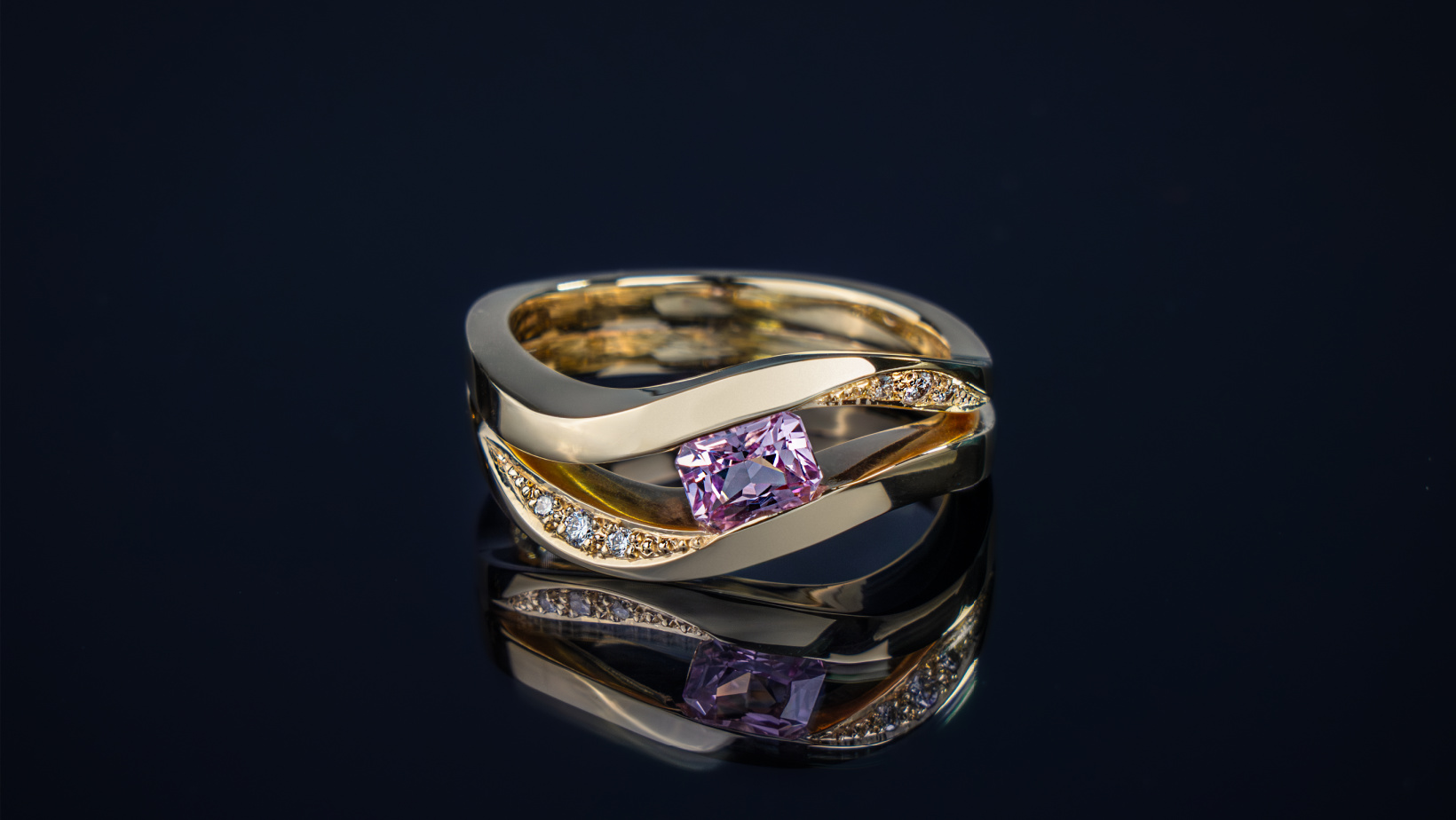
When a piece of jewellery is lost or damaged, most people assume the insurance process will simply replace what they had.
In reality, that is not always what happens.
This is something I have seen many times over the years at the bench. Not occasionally, but consistently enough that it is worth explaining how the process works, and where people can get caught out.
In New Zealand, when you make a jewellery insurance claim, the process often looks like this:
On the surface, this seems straightforward.
The decision can be influenced by cost, rather than how the original piece was made. And that matters more than most people realise.
Processes can vary between insurers and policies, but this is a common structure used within the industry.
There are different ways to create a piece of jewellery.
Two of the most common are:
Handcrafted (handmade) jewellery
This is made by hand at the bench. Each piece is built, shaped, and finished individually. There are small decisions made throughout the process that give the piece its character, balance, and strength.
CAD and cast jewellery
This is designed digitally on a computer, then produced using a casting process. It allows for efficient reproduction and is widely used across the industry.
Both methods have their place.
But they are not the same thing.
And replacing one with the other is not a like for like replacement.
During a jewellery insurance claim, clients are not always clearly informed:
In some cases, a replacement is approved before these questions are asked.
From the outside, the new piece may look similar.
But the way it has been made, and the quality of that making, can be very different from the original.
By that point, the intent of the original piece has already been lost.
Most insurance policies refer to replacing an item with a “like for like” equivalent.
For jewellery, that should include more than just:
It should also include how the piece was made.
If your original ring was handcrafted, a cast replica is not truly like for like.
If you ever find yourself going through a jewellery insurance claim, it is reasonable to ask:
You are allowed to understand what is being offered before you accept it.
The best time to protect yourself is before you ever need to make a claim.
A few simple things can make a significant difference:
These details help ensure that, if something does happen, the piece can be remade properly.
Jewellery is not just a product.
It carries story, memory, and intent. It is often made to mark something significant, and it is designed to be worn for a lifetime.
If it ever needs to be remade, it deserves the same care in its making as it did the first time.
If you are ever unsure during a jewellery insurance claim, you are welcome to reach out. I am always happy to look over a proposal and help you understand what is being offered.
.jpg)
What really goes into creating a bespoke ring? From hand-drawn designs and raw precious metal to precision bench work, discover how bespoke jewellery is created by a goldsmith.

Discover what really happens when a jeweller sources a gemstone, from meaning and colour to trusted dealers, careful selection and bespoke jewellery design.

Discover why two sapphires can look completely different, from colour and origin to cut, light and personal gemstone selection for bespoke jewellery.

Choosing a gemstone for bespoke jewellery is about more than colour or value. Discover how gemstones are selected, sourced and matched to the person who will wear them.


The way jewellery is made matters so much. It is the difference between treasure and trend
Here are some ideas that will keep your jewellery looking it’s best